HYUNDAI 86514-G2000 Right Retainer Ioniq Hybrid 86513-G2000
fits make: Hyundai. year: 2017–2022.
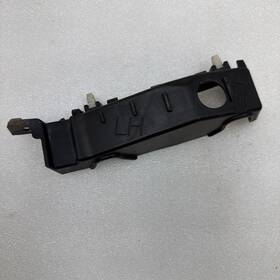
( Manufacturer Part Number: 86514-G2000 ), ( Color: Black ), ( Placement On Vehicle: Right )
Review HYUNDAI Right Side Retainer Ioniq Hybrid fits 2017–2022
The Hyundai 86514-G2000 (2017 2022) Right Rear Retainer for the Ioniq Hybrid is a precision-engineered component designed to ensure optimal structural integrity and safety in the vehicle s rear suspension system. This high-quality retainer, part of Hyundai s OEM (Original Equipment Manufacturer) lineup, is crafted from durable, heat-treated steel to withstand the rigorous demands of daily driving, including road vibrations, impacts, and long-term wear. Its robust construction helps maintain the alignment and stability of the rear suspension components, including the rear stabilizer bar links, by securely fastening them to the vehicle s chassis. The G2000 designation indicates it is a direct replacement part, meticulously designed to match the exact specifications of the original component, ensuring a perfect fit without compromising performance or safety. Whether installed during routine maintenance or as part of a suspension upgrade, this retainer plays a critical role in preserving the handling dynamics, ride comfort, and overall durability of the Ioniq Hybrid. Built to meet Hyundai s stringent quality standards, it is a reliable choice for both professional mechanics and DIY enthusiasts seeking long-lasting, high-performance parts for their hybrid vehicle.
### **Pros and Cons of buying a Hyundai Ioniq Hybrid (2017-2022, 86514-G2000 17-22 Right Retainer, 86513-G2000)**
#### **Pros**
1. **Fuel Efficiency and Hybrid Advantages**
The Ioniq Hybrid is known for its exceptional fuel economy, typically achieving **58-60 MPG combined** in city and highway driving. This makes it cost-effective for daily commuting and long-distance travel, reducing reliance on gasoline.
2. **Affordable Upfront Cost and Lower Operating Expenses**
Used Ioniq Hybrids in this range (2017-2022) are priced competitively, often under **$15,000-$20,000** depending on mileage and condition. Additionally, hybrid vehicles generally have lower maintenance costs due to fewer moving parts and less wear on the engine.
3. **Reliability and Durability**
Hyundai s hybrid system is well-regarded for reliability, especially compared to some competitors. The **1.6L gasoline engine paired with an electric motor** is straightforward and has fewer issues than complex plug-in hybrids. Many owners report minimal problems beyond routine maintenance.
4. **Hybrid Warranty Coverage**
Hyundai offers a **10-year/100,000-mile hybrid battery warranty**, which is longer than most automakers. If the battery fails within this period, Hyundai will replace it, adding significant long-term value.
5. **Comfortable and Practical Interior**
The Ioniq Hybrid features a **spacious cabin with modern amenities**, including a touchscreen infotainment system, Apple CarPlay/Android Auto, and available features like heated seats and a panoramic sunroof. The seating is comfortable for both short and long trips.
6. **Low Emissions and Environmental Benefits**
As a hybrid, it produces fewer emissions than conventional vehicles, making it a good choice for environmentally conscious buyers. Some states offer incentives or tax breaks for hybrid purchases.
7. **Good Resale Value**
Hybrids tend to hold their value better than non-hybrid models, and the Ioniq in particular has a solid reputation for resale. This means you ll recoup more when trading it in later.
8. **Simple Maintenance Requirements**
The hybrid system reduces the need for oil changes (some hybrids go **10,000 miles between changes**) and has fewer fluid-related services compared to traditional vehicles. The electric motor also eliminates timing belt replacements.
9. **Available Safety Features**
Depending on the trim, the Ioniq Hybrid comes with standard or optional safety tech like **forward collision warning, lane-keeping assist, blind-spot monitoring, and automatic emergency braking**, enhancing safety without significant extra cost.
10. **Quiet and Smooth Ride**
The hybrid powertrain provides a **smooth, near-silent driving experience**, especially in electric-only mode at low speeds. The suspension is well-tuned for comfort on both highways and city streets.
---
#### **Cons**
1. **Limited Power and Performance**
The Ioniq Hybrid is not a performance-oriented vehicle. The **1.6L engine produces only 100-110 horsepower**, and while the hybrid system provides extra torque, it lacks the acceleration of a turbocharged or V6-powered car. If you prioritize speed or towing capacity, this may not be ideal.
2. **Smaller Back Seat and Cargo Space**
The Ioniq Hybrid has a **compact hatchback body**, which means the rear seats are tight for adults, and cargo space is limited to **18.6 cubic feet behind the rear seats** (expanding to **53.7 cubic feet** with seats folded). Families or those needing extra cargo room may find it restrictive.
3. **Electric-Only Range is Short**
While the hybrid system provides efficiency, the **electric-only range is minimal (likely under 1 mile)**. Unlike a plug-in hybrid (PHEV), this model cannot be charged to extend driving range, limiting its utility for short trips without gas.
4. **Potential Hybrid System Issues**
While generally reliable, hybrid systems can develop problems over time, such as:- **Battery degradation** (though rare before 100,000 miles).
- **High-voltage wiring or connector failures** (less common but possible).
- **Regenerative braking system malfunctions** (can affect braking feel).
Most issues are fixable, but they can be costly if not covered under warranty.
5. **Infotainment System Limitations**
The **8-inch touchscreen** is functional but not as advanced as newer Hyundai models. Navigation is decent, but the interface can feel outdated compared to competitors like the Toyota Prius or Kia Niro Hybrid.
6. **Resale Depreciation**
While hybrids hold value better than gas-only cars, the Ioniq may depreciate faster than some newer hybrid models (e.g., Tesla Model 3, Ford Escape Hybrid). If you plan to upgrade soon, this could impact long-term savings.
7. **Limited Availability of Parts and Mechanics**
As a discontinued model (Hyundai phased out the Ioniq in 2022), finding **specialty hybrid parts or mechanics** may be harder than for more common hybrids like the Prius. However, Hyundai dealerships and independent hybrid specialists can still service it.
8. **Noisy Cabin at High Speeds**
Some owners report that the Ioniq Hybrid can feel **windier and noisier** than expected at highway speeds, though this is subjective and may not bother all drivers.
9. **Potential for Higher Upfront Costs on Used Models**
If the vehicle has **high mileage (over 100,000 miles) or signs of wear**, the price may not reflect its efficiency benefits. Always inspect for **battery health, transmission smoothness, and electrical issues** before purchasing.
10. **Hybrid-Specific Maintenance Costs**
While generally cheaper, hybrid repairs (e.g., **high-voltage battery replacement, inverter issues**) can be **more expensive than conventional car repairs**. Always verify the seller has records of hybrid-specific maintenance.
---
### **Conclusion**
The **2017-2022 Hyundai Ioniq Hybrid (86514-G2000/86513-G2000)** is an **excellent choice for buyers prioritizing fuel efficiency, low operating costs, and reliability** without needing high performance or luxury features. It s particularly well-suited for:
- **Daily commuters** looking to save on gas.
- **Budget-conscious buyers** who want a reliable used hybrid.
- **Environmentally aware drivers** who want lower emissions.
- **Owners who value warranty coverage** (10-year battery warranty).
However, it may **not be ideal** for those who:- Need **spacious seating or cargo space**.
- Want **strong acceleration or towing capacity**.
- Prefer **cutting-edge tech or a more premium feel**.
- Are concerned about **long-term hybrid reliability risks** (though rare).
---
### **Recommendation**
**Buy the Hyundai Ioniq Hybrid if:**You want **exceptional fuel economy** and **low running costs**.
You re okay with a **smaller car** and don t need much cargo space.
You value **Hyundai s warranty** and reliability.
You prefer a **quiet, smooth ride** over sporty performance.
You find a **well-maintained example** (preferably with **service records**, especially for hybrid components).
**Avoid the Hyundai Ioniq Hybrid if:**You need **a family-friendly SUV or hatchback**.
You prioritize **high performance or luxury features**.
You require **long electric-only range** (this is not a plug-in hybrid).
You re uncomfortable with **hybrid-specific maintenance** (though rare, issues can arise).
**Final Verdict:**The **2017-2022 Ioniq Hybrid is one of the best-used hybrid values on the market**, offering **strong efficiency, durability, and affordability**. If you can find a **low-mileage example with a clean service history**, it s a **smart long-term purchase**. However, if you need more space or power, consider alternatives like the **Toyota Prius, Kia Niro Hybrid, or Honda Insight**.
Always **test drive the vehicle**, **check for hybrid-specific issues**, and **verify maintenance records** before buying to ensure you re getting a reliable unit.
Details:
This component is essential for proper installation and maintenance of the bumper on Hyundai Ioniq Hybrid. The 17-22 Right Side Retainer for the Hyundai Ioniq Hybrid 86513-G2000 is a genuine part designed specifically right side of vehicle. Hyundai ioniq 2020 limited. The retainer is black in color and manufactured with the part number 86514-G2000.
part #: 86514g2000 prices
- $5.84-$69.95
specifications frontbumperus:
- for makes: Hyundai
- for years: 2017-2022
- mpn: 86514-g2000
- color: Black
- placement on vehicle: Right
general frontbumperus:
- Exterior Parts Accessories > Bumpers Components > Bumpers Reincements
- condition: Used
shipping frontbumperus:
- type: Calculated
- carrier: USPS
- class: Standard
- cost: $0.00
- transit: 3-9 Days
- service: USPS Ground Advantage
offer frontbumperus:
- availability: In Stock
- sold: 0
- options: Ship-to-home
- quantity: 1
- started: March 10, 2026
payments frontbumperus:
- credit card: Discover
- wallet: Paypal
- money order
- other
returns frontbumperus:
- policy: No Returns
seller frontbumperus:
- rating: 100.0%
- # reviews: 121
- city: Fair Oaks, California
Hyundai 86514-G2000 Is Similar To:
- 10984585 Aftermarket Products Bumper Bracket For Hyundai Accent Rear Driver Side (21.1% similar) The items are brand new parts that look and fit same as original, except at a much better price...(October 23rd, 2018)
- 13438172 Aftermarket Replacement New Rear Driver Side Bumper Molding Fits Hyundai (9.2% similar) It might take up to 24 hours for us respond. Box, APOS, fops, or military mail box. Expedited shipping: if you require shipping, please...(July 7th, 2018)
- 46820 Dorman Bumper Bracket Front Right Upper Fits Hyundai 885484750869 (19.6% similar) 0t limited sedan 4-DOOR, 0t sedan 4-DOOR, GL GLS limited SE 4-DOOR...(May 1st, 2018)
- 86522-c1ab0eb Hyundai Sonata Fog Light Lamp Blank Hole Cover Rh Side (27.1% similar) ...(April 13th, 2018)
- 865522h000 Hyundai New Elantra Front Side Bracket Right Rh Oem (32.8% similar) Up for sale new hyundai Elnora front bumper-upper side bracket right Rh oem year: part number 865522H000 any questions...(June 15th, 2018)
- 86556-2b000 Hyundai New Sante Fe Right Front Bumper Bracket Oem (32.6% similar) It has never been installed and was only removed for pictures. For sale is a genuine hyundai Dante Fe right front bumper bracket. The oem part number for this item is 2B000 and it brand new in original packaging...(June 28th, 2018)
- 865643x7 Hyundai Elantra Sedan Fog Blank Hole Cover Front Bumper Right (21.1% similar) New genuine hole cover front bumper right passengers side 865643X7...(July 8th, 2018)
- 86568e6000 Hyundai Oem Sonata Front Bumper Duct Right (24% similar) ...(April 26th, 2018)
- 865773j020 Hyundai Oem Veracruz Front Cover Side Bracket Left (30.1% similar) ...(November 10th, 2018)
- 86578b8000 Hyundai Oem Santa Fe Front Cover Holder Right (23.4% similar) ...(February 14th, 2019)
- 865843k710 Hyundai Upper Moulding Right Front Bumper Chrome Genuine Sonata (31.5% similar) Experience over 17 years. If you are not satisfied, do rush. Hyundai KIA genuine oem parts 100 guaranteed or you'll get your money back. Direct deliveries from the factory hyundai and KIA south Korea. No matter what says. Only for you. Best quality. Other information. The approach to each client...(July 29th, 2018)
